Brands tell their stories. But the real value of PR lies in what happens next. What is the outcome? Can that story attract the attention of a potential customer? Start a conversation with an investor? Position a founder as an industry voice? Opened scope for a new partnership?
This is where the role of a leading PR agency India becomes critical. The right PR partner has the expertise to see the business potential within a brand story and shape it into communication that reaches the people who matter.
What Makes a Brand Story Valuable?
A good brand story has substance. It has relevance. Good PR understands this.
Effective public relations does not start with the question, “What can we put in the media?” It starts with, “What does the business want to achieve?”
A brand may want to enter a new market, attract customers, build investor confidence, strengthen its reputation, recruit talent or establish leadership in a particular category.
Each objective requires a different communication approach. A public relations consultancy services partner can help translate these business priorities into stories that have relevance for specific audiences.
Also Read – How a Leading PR Agency in India Helps Brands Build Long-Term Market Authority
How PR Turns Stories into Opportunities
- Finding the Business Angle in Everyday Milestones
One of the goals of PR is getting measurable business outcomes. So, if a company opens a new office, PR sees it as a story about expansion.
This ability to find the larger story is one of the most important roles of a PR agency.
It ensures that communication is not limited to announcements but contributes to a larger reputation narrative.
- Stories in Front of the Right Audience
Reach is important, but relevance is non-negotiable.
A leading PR agency India can help identify the publications, journalists and platforms that go with a brand’s objectives.
The result is a more well-aligned approach to media outreach. Here, the goal is not simply to maximise the number of mentions but to reach the set of consumers that could influence the business.
- Turning Founders into Industry Voices that Relate with the Audience
A company can have a great product and still struggle to make a mark. Why? Because consumers need to connect. Founder visibility can help change that.
When founders share useful perspectives consistently with public, they are indirectly building a connection with the audience. We have seen so many founders come on podcasts or share their views on social media. This really helps in establishing a distinctive leadership voice. A voice that people find credible.
Over time, this can create opportunities for partnerships, speaking engagements, customer conversations and talent attraction.
The founder’s voice becomes another asset for the brand.
- Using Thought Leadership to Start Conversations
Thought leadership works best when it has something meaningful to say.
Instead of simply promoting a product or service, brands can use research, data, experience and expertise to address questions that matter to their industry.
For example, a fintech company could comment on changing consumer behaviour rather than only discussing its latest product. A technology leader could explore how businesses are approaching AI adoption instead of simply promoting an AI solution.
This approach allows PR to create conversations around the issues where the brand has genuine expertise.
- Connecting PR With Other Brand Channels
PR does not have to exist in isolation.
A media interview can become social content. A founder’s opinion article can support sales conversations. Research developed for a PR campaign can become a webinar or report. A successful media story can strengthen a company’s website and recruitment communication.
This is where integrated thinking can make a difference.
When PR connects with content, digital, social media and marketing, a single story can have a much longer life and reach multiple audiences.
Read More – How Top Public Relations Agencies in India Manage Reputation Across Digital Channels
Why the Right PR Partner Matters
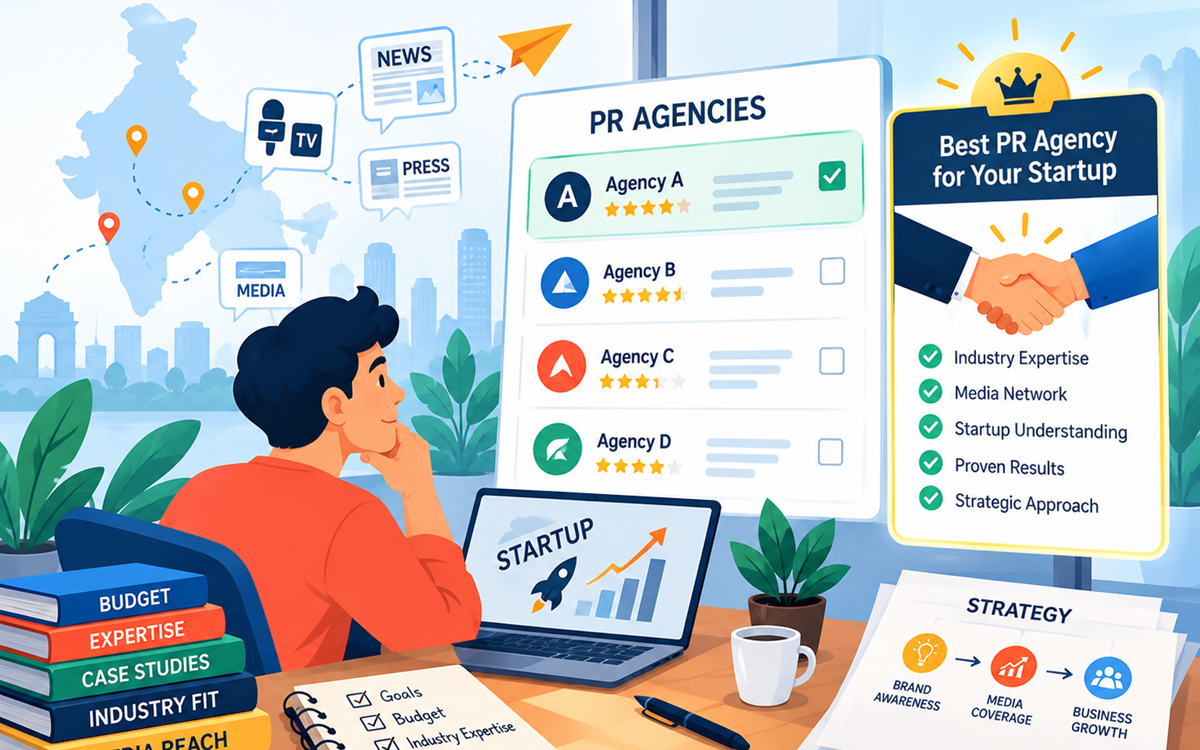
Choosing a PR partner is not simply about selecting an agency with a large media database.
Brands need a team that understands their business, industry and ambitions. They also need people who can challenge an initial idea, identify a stronger story and understand how different audiences may respond to it.
A top PR agency in India typically brings together several capabilities: media relations, storytelling, strategic counsel, thought leadership, crisis preparedness, content and reputation management.
But capabilities alone are not enough.
The relationship between the agency and the brand matters too. The agency needs enough understanding of the business to recognise opportunities that may not be immediately obvious.
Measuring More Than Media Coverage
Media coverage is an important PR output, but it should not be the only measure of success.
The bigger question is what the coverage helped achieve.
Depending on the objective, brands can look at:
- Quality and relevance of media coverage
- Visibility among target audiences
- Website traffic and enquiries
- Engagement with thought leadership
- Invitations for speaking opportunities
- New partnership conversations
- Investor or stakeholder interest
- Changes in brand perception
- Share of voice within a category
Not every PR outcome can be traced directly to a single article. Reputation builds gradually through repeated interactions. But connecting communication activity to broader business objectives helps brands understand where PR is creating value.
The Story Is Only the Starting Point
The most effective PR stories do not end when an article is published.
A media mention can introduce a company to a potential customer. A founder interview can lead to a speaking opportunity. A research report can start an industry conversation. A business milestone can attract the attention of a potential partner.
That is the real opportunity within PR: creating moments that lead somewhere.
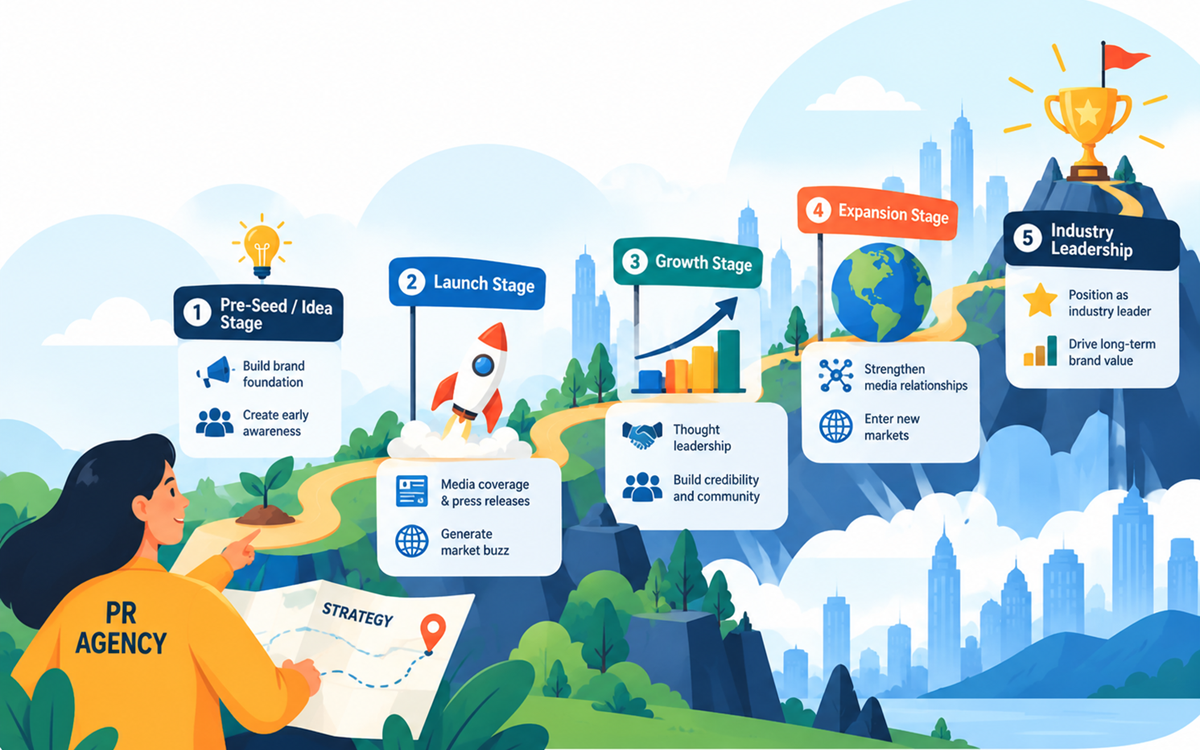
A strong agency therefore looks beyond the immediate coverage and considers what the story can unlock next.
Conclusion
PR is often equated with visibility. However, it is more than that. A good brand story can attract people and create conversations that support wider business goals. The role of a leading PR agency India is to identify those possibilities and build communication around them.
With the right public relations consultancy services, brands can move from simply telling their stories to using those stories as platforms for useful conversations, relationships and new business opportunities.
Frequently Asked Questions
- PR can create business opportunities for a brand. How?
PR can connect a brand with customers, investors, employees and other stakeholders. The medium can be anything from media coverage, thought leadership to industry conversations. This way, by aligning PR stories with business objectives, brands can turn visibility into opportunities that bolster business. - What does a PR agency do beyond getting media coverage?
A PR agency can help with strategic storytelling, media relations, thought leadership, reputation management, executive positioning and crisis communication. It can also identify opportunities to connect brand communication with wider business and marketing goals. - How do I choose a top PR agency in India?
Look for an agency with experience in your industry, strong media relationships, strategic expertise and an understanding of your business objectives. It is also useful to assess the agency’s approach to storytelling, measurement and long-term reputation building. - What are public relations consultancy services?
Public relations consultancy services help organisations manage how they communicate with and are perceived by their audiences. These services can include PR strategy, media relations, corporate communications, thought leadership, reputation management and crisis communications. - How is PR success measured?
PR success can be measured through the quality and relevance of media coverage, visibility among target audiences, share of voice, thought leadership engagement, website traffic, enquiries and business or stakeholder opportunities generated through communication efforts.